
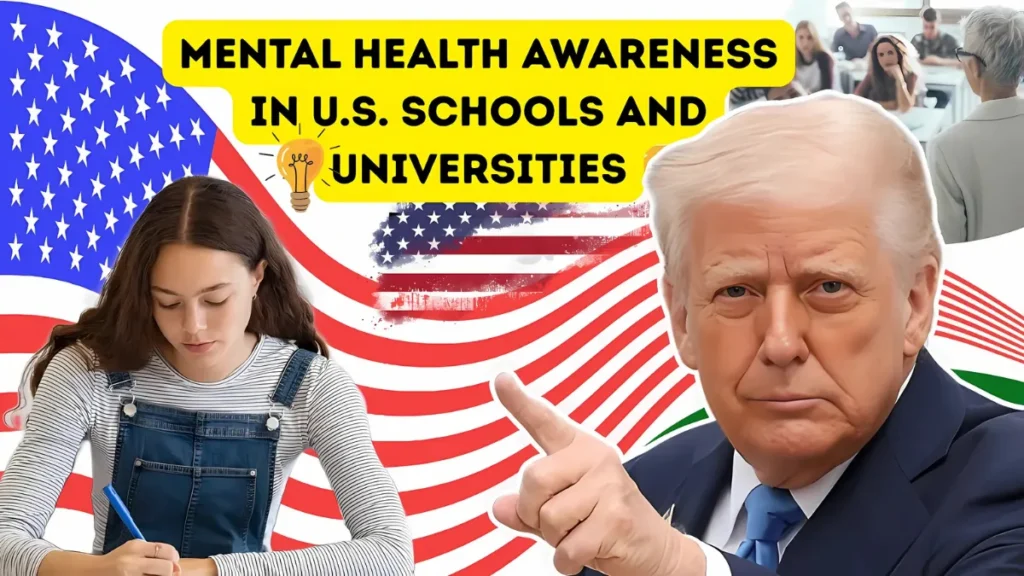
Mental health has become one of the most important conversations in the United States, especially among young people. With rising stress, academic pressure, social challenges, and digital distractions, students in schools and universities face unique mental health struggles. Recognizing this, institutions across the country are placing greater emphasis on mental health awareness, early intervention, and accessible support systems in 2025.
Growing Mental Health Challenges Among Students
Recent surveys show that 1 in 5 students in the U.S. experience anxiety, depression, or other mental health conditions during their academic journey. The COVID-19 pandemic further amplified these issues, with many students reporting feelings of isolation, burnout, and emotional fatigue. Today, factors like academic competitiveness, financial stress, social media pressure, and uncertain career prospects continue to affect student well-being.

Mental Health Programs in Schools
Elementary and high schools are expanding efforts to:
- Introduce mental health education into the curriculum.
- Train teachers to recognize early signs of distress.
- Provide access to school counselors and psychologists.
- Create safe spaces where students can openly discuss emotional challenges.
Some states, including New York and Virginia, have made mental health education mandatory in schools, ensuring children learn about emotional well-being from an early age.

Mental Health Support in Universities
Colleges and universities are addressing mental health by:
- Offering on-campus counseling centers with extended hours.
- Implementing peer support groups and student-led initiatives.
- Expanding telehealth and online therapy options for greater accessibility.
- Reducing stigma through awareness campaigns, mental health weeks, and student workshops.
Leading universities are also partnering with apps and AI-driven tools that help track stress, improve sleep, and provide meditation or therapy resources.

Importance of Awareness Campaigns
Awareness plays a critical role in breaking stigma. Many students hesitate to seek help due to fear of judgment. Campaigns like Mental Health Awareness Month (May) and campus-wide initiatives encourage open conversations, normalize therapy, and promote resilience.
Government and Policy Efforts
The U.S. Department of Education has increased funding for school-based mental health programs, focusing on hiring more counselors and integrating well-being into education policies. Federal grants are also supporting universities in developing suicide prevention programs and crisis hotlines.

Conclusion: Mental health awareness in U.S. schools and universities is no longer optional—it’s essential. By providing education, access to resources, and safe spaces for open dialogue, institutions are ensuring that students not only succeed academically but also thrive emotionally. As awareness grows, the future of mental health support in education looks more inclusive, proactive, and student-centered.
Disclaimer: This article is for informational purposes only and does not substitute professional mental health advice. Students facing mental health challenges should seek support from licensed professionals or school counselors.

Read More:
- New September Driving Law 2025: $1,500 Fines and Jail Time Explained
- $5,108 Social Security Checks for Seniors in September 2025 – Full Payment Schedule and Eligibility Explained
- 6 Big Social Security Changes Coming in 2026 – What Every Retiree Must Know
- $1,756 SNAP Benefits in September 2025: Full Payment Details and Eligibility Rules You Must Know
- Yamaha MT-15: Aggressive Streetfighter With R15 Performance DNA